
How Colour Choice Impacts Interior Design
Colors are more than just visual stimuli. They have the ability to influence our mood, thoughts, and even our decisions. When it comes to interior design, the choice of color goes beyond mere decoration. It’s a key element that can shape spaces, evoke emotions, and set the tone for our daily experiences. Let’s explore how and why color choice is so crucial in interior design.
Setting the Mood
Colors have inherent psychological properties that can affect our emotions. For instance, blue is often associated with calmness and serenity, making it perfect for bedrooms. On the other hand, reds and oranges can evoke warmth and excitement, making them ideal for lively spaces like kitchens and dining rooms. Understanding the mood you want to create in a room is the first step in choosing the right color palette.
Creating Illusions of Space
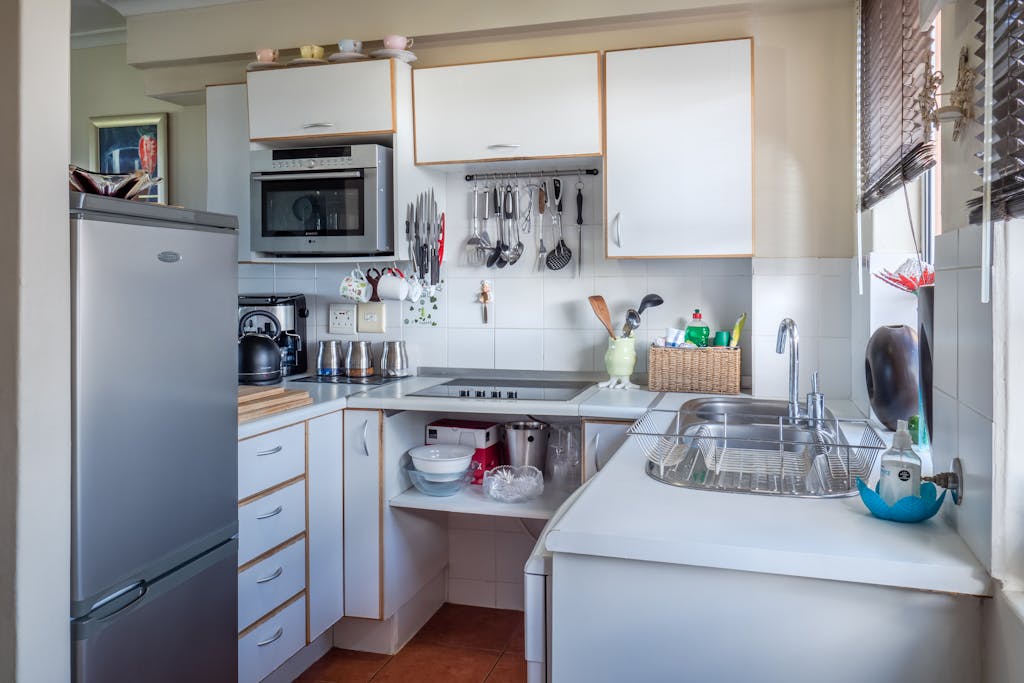
Color can also manipulate the perception of space. Light colors such as whites, soft blues, and yellows can make a small room appear larger and more open. These hues reflect light, creating an airy and spacious feel. Conversely, dark colors like deep greens or charcoals can make a large room feel cozier and more intimate.
Enhancing Architectural Features
Strategic use of color can spotlight architectural features, turning them into focal points. For instance, painting trim or moldings in a contrasting color can enhance the architecture’s depth and detail. Similarly, accent walls in bold colors can draw attention to specific areas, like a fireplace or an alcove, adding interest and dimension to the room.
Unifying an Open Space
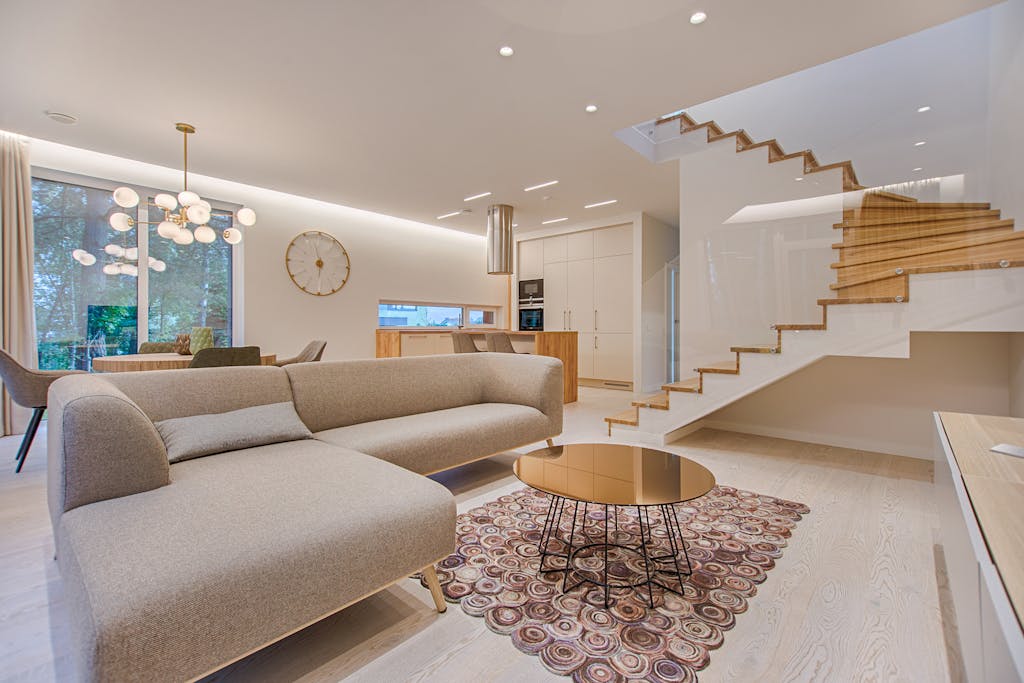
In open-concept designs, which are popular in modern homes, color can seamlessly connect different living areas. By using a consistent color palette or complementary shades throughout, you create a sense of harmony and flow from one space to another. This approach makes the entire area feel cohesive rather than fragmented.
Reflecting Personal Style
Color is a powerful way to express personal style and identity. Whether you lean towards bold, vibrant colors or prefer soothing neutrals, the hues you choose reflect who you are. Moreover, color trends can influence how we update our spaces, allowing us to keep interiors fresh and stylish without a complete overhaul.
Influencing Energy and Productivity
In home offices or study areas, color choices can impact productivity and focus. Shades of green, associated with balance and growth, or muted blues, which promote concentration and calm, are excellent choices for such spaces. These colors can help in creating an environment conducive to work and creativity.
Complementing Natural Elements
Finally, your home’s natural surroundings can play a part in color selection. Colors that mimic natural elements, like earthy browns or stone grays, can create an organic feel and blend the interior with the outdoor environment. This connection can create a tranquil habitat that feels unified with nature.
In conclusion, color is a vital tool in interior design. It goes beyond aesthetics to influence mood, perception, and even behavior. By understanding the impact of various colors, you can select hues that not only beautify a space but enhance the overall ambiance and function of your home